

How POS Data Helps Retailers Create Loyalty Campaigns That Perform

Most retailers don’t have a loyalty problem. They have a conversion problem.
You spin up campaigns, send offers, print receipts with promo codes, and maybe even run a shiny app, but redemptions are low, repeat visits are flat, and the loyalty program feels more like an expense than a growth engine.
The gap usually isn’t effort. It’s insight.
If your loyalty campaigns are running on guesswork instead of real buying behavior, they’ll always underperform. That’s where point-of-sale (POS) insights come in. When you treat your POS for a retail shop not just as a cash register but as a data engine, you suddenly have everything you need to build loyalty campaigns that feel relevant, timely, and genuinely worth acting on.
When that POS is tied to a POS loyalty program, transactions are tied to real customers—not just anonymous receipts. That’s when you move from “Let’s blast a discount” to “Let’s deliver the right offer to the right customer at exactly the right time.”
Let’s break down how to do that without overcomplicating your life.
SAP Emarsys reports that 76% of consumers are more likely to engage with brand apps when rewards or incentives are on the table.
What Are POS Insights—and Why Do They Matter for Loyalty Campaigns?
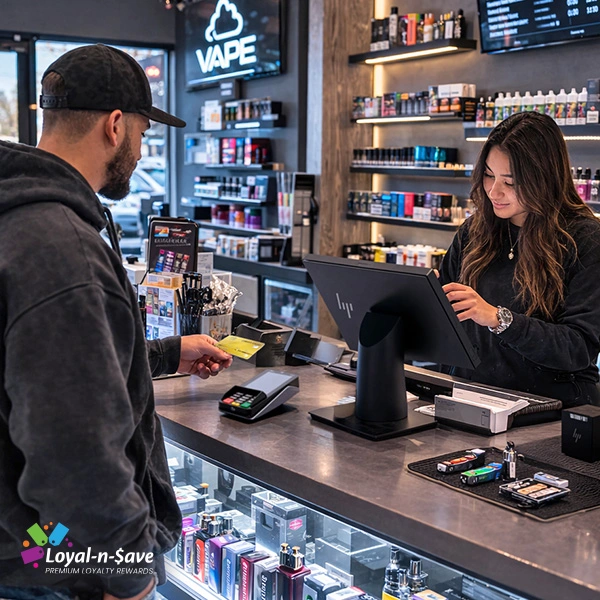
Think of your POS as the live diary of your store. Every scan, return, and discount tells you something about how people really shop. POS insights are simply the patterns you extract from that stream of data:
- Which stock keeping units (SKUs) move fastest
- How often a customer shops
- What typically sits together in the same basket
- Which days, times, and seasons drive volume
- How people respond to promotions and price changes
On their own, these are helpful. Combined, they’re a playbook for marketing strategies for retailers using POS data insights:
- Instead of guessing which items to promote, you promote proven winners.
- Instead of discounting blindly, you target price-sensitive shoppers and protect margin elsewhere.
- Instead of spamming everyone, you segment and prioritize your highest-value customers.
To deepen your understanding of why loyalty works when it’s strategy-driven and not guesswork, check out this guide on loyalty programs for retailers that increase customer spend.
When you connect your POS with a POS loyalty system, every ticket is a customer story. You know who bought what, what they bought, how often they show up, and what tends to trigger a response. That’s the difference between “we ran a campaign” and “we ran a campaign that made sense.”
Key POS Data Points Retailers Should Use to Build High-Converting Loyalty Campaigns
A retailer’s POS system is often the most honest storyteller in the business. It records what customers actually buy, and not what they say they’ll buy, not what trends predict, but what moves across the counter every hour. When you translate those signals into campaign strategy, your loyalty program finally stops relying on guesswork and starts operating with intention.
Best-Selling Products
Your best sellers tell you where customer demand is already strong. Instead of overthinking new campaign angles, retailers can use these top-performing items as anchors for fast, high-converting loyalty promotions.
Offering bonus points on fan favorites or bundling complementary items around them creates a low-friction entry point for shoppers. These campaigns convert well because they don’t require behavior change because customers are already inclined to buy these products.
Time-Based Purchase Trends
Every store has a natural rhythm. The POS reveals it in patterns: the midweek lull, the surge before holidays, the evening snack rush, and the early-morning essentials.
When loyalty campaigns align with these rhythms, the effectiveness multiplies. Think: double points during predictable traffic spikes, happy-hour-style incentives during slow periods, or seasonal rewards tied to annual demand.
Customer Purchase Frequency & Basket Behavior
A POS for a retail shop can show you not only how often customers shop but also what they tend to buy together.
This is where patterns emerge: customers who purchase pet food every two weeks, shoppers who always add beverages to snacks, or households that reload essentials monthly. These behaviors become the foundation for targeted loyalty triggers, rewarding consistency, nudging larger baskets, and creating bundles that feel tailor-made.

Price Sensitivity & Discount Response
Not all customers react to price changes in the same way. POS data can reveal who buys at full price, who responds only to promotions, and which products see genuine uplift when discounted.
This insight helps retailers avoid margin erosion. Heavy discounts can be reserved for price-sensitive shoppers, while loyalty members who value convenience or premium goods might respond better to early access, exclusive drops, or points-based rewards. It’s a promotion strategy without the collateral damage.
How Loyalty Program Data Enhances POS Insights
Loyalty programs transform raw POS transactions into customer understanding. Instead of anonymous baskets, retailers gain visibility into who is buying what, how often, and why. This pairing turns an ordinary POS into a marketing intelligence engine.
Connects Transactions to Real Customers
Without a loyalty program, your POS data is just numbers on a screen. With one, every transaction becomes a meaningful touchpoint tied to a real customer. This connection lets you segment shoppers—whether they’re frequent visitors, seasonal buyers, big spenders, or those at risk of slipping away. Suddenly, you’re not just targeting products—you’re reaching people.
Helps Identify High-Value Shoppers
A small percentage of customers often drives a disproportionately large share of revenue. Loyalty data helps you pinpoint these customers, understand their habits, and build campaigns that reward retention instead of chasing one-off discounts. This is where POS loyalty systems become invaluable and high-value customers get high-value communication.
Enables Better Personalization
Personalization isn’t guessing what a customer likes—it’s knowing them. Loyalty-linked POS data reveals category preferences, brand affinity, purchase cycles, and engagement habits, making campaigns more relevant without feeling intrusive.
When POS data and loyalty profiles work together, offers can be small, targeted suggestions rather than generic promotions. The POS shows what customers actually do in-store, while the loyalty program connects that behavior to the person behind it. The result? Messaging that feels like a conversation, not a broadcast.

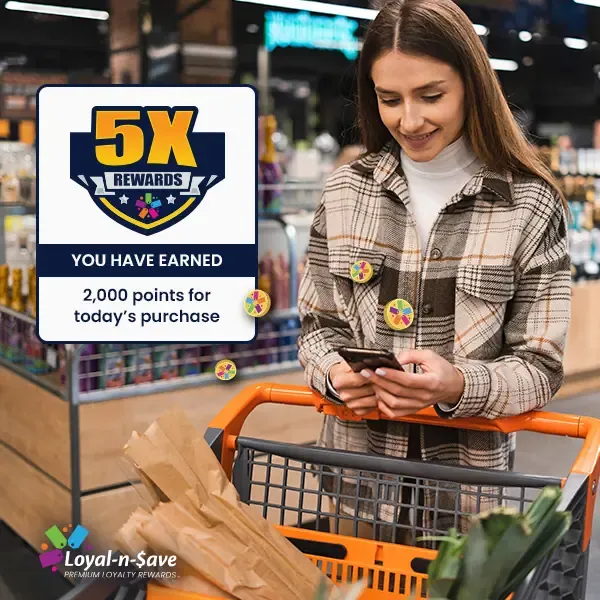
This is where Personalization Plus (P+) comes in. P+ turns insights from Loyal-n-Save into actionable offers, sending promotions directly through the loyalty app to the right customers. The system automatically groups shoppers based on purchase patterns, such as repeated purchases in a category, so targeting happens in the background with no extra setup.
Improves Inventory & Merchandising Decisions
Retailers often overlook how loyalty data can influence inventory strategy. Understanding what your top customers consistently buy helps you stock smarter, arrange items for maximum impact, and avoid over-ordering products that don’t build loyalty. Merchandising decisions begin to support the loyalty program and vice versa.
Enhances Offer & Promotion Effectiveness
When loyalty programs are integrated with POS insights, retailers can track which offers resonate, which fall flat, and which segments respond best. Campaigns become learning systems. Instead of repeating ineffective promotions, retailers continuously refine their messaging and reward structures using real performance data.
Turning POS Insights into High-Performing Loyalty Campaigns
Now, let’s translate all of that into practical campaign building.
Hyper-Targeted Audience Segments
Use POS data to build segments like:
- “Weekend-only shoppers”
- “High spenders in snacks & beverages”
- “Haven’t purchased in 60+ days”
Then attach specific goals:
- Win back lapsed customers
- Drive trial of a new line
- Increase basket size for a specific category
Your POS loyalty program becomes the engine that delivers the right reward to each group.
Personalized Creative Messaging
The content of your message should match the data behind it. For example:
- For frequent buyers: “You’re one of our most loyal shoppers—here’s early access.”
- For bargain-driven customers: “Deals that match your basket—more savings where it matters.”
- For lapsed customers: “We’ve saved a special offer to welcome you back.”
Same POS data, different tone and creative.
Dynamic Product Recommendations
Use basket analysis from your POS:
- Promote add-ons that complement what customers already buy
- Suggest “you might also like” items based on their historical purchases
- Create bundles for common combinations (“Movie Night Bundle,” “Monthly Essentials”)
This feels helpful, not pushy—because it’s rooted in how they already shop.
Campaign Timing & Frequency Optimization
Tie your campaign triggers to actual behavior:
- Send a top-up offer a set number of days after a big grocery shop
- Trigger a bonus-point campaign when someone’s visit frequency drops
- Time short message service (SMS) or app pushes during the hours your POS data shows the highest response
This is one of the simplest marketing strategies for retailers using POS data insights that nearly every retailer underutilizes.
Real-World Examples of POS-Driven Loyalty Campaigns
These are simplified, but you can plug them directly into any POS for retail shops with loyalty capabilities.

Example 1: Promoting Best-Selling Items for Quick Wins
- Identify your top 10 best-selling SKUs.
- Offer double or triple points on those items to loyalty members for a weekend.
- Promote via receipt messages, SMS, and app notifications.
Result: quick engagement, minimal risk, and a campaign that feels instantly relevant.
Example 2: Flash Sales to Reduce Slow-Moving Inventory
- Use POS to identify SKUs that are stagnating.
- Create a time-bound “clear out and earn” campaign for loyalty members.
- Offer bonus points or exclusive discounts on those slow-moving items.
Result: inventory relief plus measurable lift from loyalty segments instead of blanket markdowns.
Example 3: Targeting Customer Segments by Purchase Behavior
- Segment customers who buy baby products regularly.
- Offer an extra reward for trying a new brand in that category.
- Follow up only with those who responded, offering a bundle on their next visit.
Result: targeted growth in a profitable category without spamming your full list.
Example 4: Seasonal Trend Campaigns
- Use last year’s POS data to see which categories spike around holidays or local festivals.
- Build seasonal campaigns that feature those items with bonus points, bundles, or VIP previews.
Result: campaigns based on proof, not hunches.
Best Practices for Using POS Insights in Loyalty Campaigns
Here’s a quick, practical checklist you can steal:

- Refresh data frequently: Don’t build campaigns on last quarter’s patterns if your category moves fast.
- Sync POS and loyalty platforms properly: Whether you’re using a native POS system with a loyalty program or an integrated POS loyalty system, make sure data flows both ways reliably.
- Test multiple creatives and offers: A/B test subject lines, call-to-actions, and reward types. Small tweaks often deliver big lifts.
- Align store promotions with online messaging: What shoppers see on shelves, receipts, and social should feel consistent—not like three different brands competing with each other.
- Measure offline conversions, not just clicks: Track how many in-store purchases were influenced by a loyalty campaign—even if the redemption happens at the POS, not via a coupon code.
Metrics to Track for POS-Driven Loyalty Campaigns
You don’t need fifty KPIs. Start with a tight set that answers one question: Did this campaign move behavior in a profitable way?
- Redemption Rate: How many people who received the offer used it? Low redemption? Wrong audience, wrong offer, or wrong timing.
- Sales Lift: Compare sales for the targeted products or segments during the campaign vs. before. If you see a spike without margin collapse, you’re on the right track.
- Average Basket Value (ABV): Did your campaign increase the size of the basket for targeted customers? Great for cross-sell and bundle campaigns.
- Repeat Visit Rate: Are customers coming back more often after your campaign? This is a key signal that your loyalty program is aiding in purchase frequency and doing more than bribing people once.
- ROAS (Return on Ad Spend): For digital or paid channels tied to your POS and loyalty data, measure how much revenue the campaign generated for every dollar spent on media.
- Margin Impact: A campaign that drives volume but kills margin isn’t a win. Use POS data to understand whether your discounts and rewards are sustainable.
Together, these metrics prove whether your POS-driven loyalty strategy is just “activity” or actual performance.
Conclusion
Retailers don’t need more generic campaigns. They need loyalty efforts that are anchored in how customers actually shop.
When you treat POS as a source of insight—not just a place where money changes hands, you get a clear, data-backed view of what to say, who to say it to, and when to say it.
That’s how you move from “We have a loyalty program” to “Our loyalty program quietly lifts revenue every month.”

FAQs
Yes. In fact, smaller retailers often move faster. Even basic reports from a POS for a retail shop can show you top products, busy hours, and repeat customers. Use that to start simple—bonus points on favorites, win-back offers for lapsed shoppers, and seasonal pushes.
Not at the beginning. Most of the ideas in this blog can be executed using standard POS reports and a POS loyalty system. Over time, you can layer in more advanced analytics, AI, or segmentation tools if the return on investment (ROI) supports it.
As a rule of thumb:
- High-Volume Shops: Weekly
- Medium: Biweekly
- Smaller Shops: Monthly
The more dynamic your business, the more frequently you should refresh segments so campaigns reflect reality, not last season’s habits.
POS data tells you who spends and how much. If your best customers skew younger and transact more via card or app, focus on mobile, social, and email. If they’re more in-store and receipt-driven, focus on POS prompts, SMS, and printed offers. The data guides where your effort will matter most.
To an extent. You can use general trends (best sellers, times, categories) to design smarter store-wide promotions. But to truly personalize—by customer, preference, or behavior—you’ll eventually want a POS loyalty program so transactions aren’t anonymous. That’s the upgrade that turns 'discounts' into a data-driven relationship.
Posted on Dec 24, 2025

Danielle is a content writer at Loyal-n-Save. She specializes in writing about implementing loyalty solutions proven to help a company grow.
Content Writer