

What Is the Best POS-Integrated Loyalty Program for Small Businesses?
You know the feeling. A regular walks in, buys their usual, and walks out. Another transaction, another receipt, another missed opportunity to say, “Hey, we see you.”
Punch cards are dying. Not because they don’t work, but because they work in a world that no longer exists. A world where customers carried wallets, remembered paper slips, and thought “buy 10, get 1 free” was the peak of relationship marketing.
Today, if your POS loyalty program isn’t talking to your system, it’s not really a program. It’s just a database collecting dust.
This post is about what comes next. We’ll walk through what POS-integrated loyalty actually means, why it matters for small businesses, and exactly how to pick the right one for your setup.
A Harvard Business Review Analytic Services report found that 77% of respondents say their customer loyalty programs are of top importance to their executive leadership team.
What Is a POS-Integrated Loyalty Program?
Let’s get one thing straight upfront: a POS-integrated loyalty program isn’t a separate app you check at the end of the night. It isn’t a stack of business cards behind the counter. It isn’t a third-party website your customers have to remember to visit.
Its loyalty functionality built directly into the system you already use to ring up sales.
Think of it this way: Your POS is the brain of your business. It knows what it sold, when it was sold, and who bought it. A POS system with loyalty program simply gives the brain a memory. When a customer swipes their number, scans a QR code, or taps their phone, the system recognizes them instantly. Points accrue. Rewards trigger. History updates. All without anyone pressing extra buttons.
This is the opposite of standalone loyalty apps, which live in their own silo. Those require manual entry, separate logins, and customers who remember yet another password. Punch cards? They get lost in glove compartments, forgotten until they expire.
Integration changes everything. The POS loyalty program stops being an add-on and becomes part of the transaction itself.
Pause and Consider
Close your eyes and picture your checkout counter right now. If a loyalty customer walked in, how many extra steps would it take to recognize them? Three? Five? More? That friction is costing you repeat business.
Now imagine this instead: They walk in. You greet them by name. They scan a QR code or enter their phone number. The points automatically apply. The receipt prints with their updated balance. Total time: two seconds.
That’s what Loyal-n-Save does. No fumbling. No forgotten punch cards. Just recognition at the speed of checkout. Get in touch with us to see how we do it.
Why Small Businesses Need POS-Integrated Loyalty Programs
Here’s something the big boxes don’t want you to know loyalty isn’t about scale. It’s about recognition. And small businesses are actually better positioned to deliver it—if they have the right tools.
1. Customer Retention Economics
Acquiring a new customer costs five to seven times more than keeping an existing one. You’ve heard this before.
This stat has also been making the rounds in business circles since Frederick Reichheld at Bain & Company first introduced it: a 5% boost in retention can drive profit growth of 25% to 95%.
A POS-integrated program makes retention automatic. Every transaction becomes a data point. Every visit becomes trackable. You stop guessing who your best customers are and start knowing.
2. Operational Efficiency
Manual loyalty is a tax on your time. Someone has to punch cards. Someone has to track redemptions. Someone must reconcile the spreadsheet at the end of the month.
Integrated systems eliminate all of that. The POS handles it now of sale. Your staff stays focused on customers, not admin.
3. Data-Driven Marketing
Without integration, your loyalty data is static. It’s a list. With integration, it’s alive. You can see patterns: which products drive repeat visits, which customers haven’t shown up in 60 days, and which rewards get redeemed.
This isn’t just nice to have. It’s the difference between marketing that feels generic and marketing that feels like a personal note.
4. Competitive Differentiation
Most small businesses still use punch cards. Some use nothing at all. A POS-integrated program sets you apart immediately. It signals professionalism. It tells customers, “We’re serious about knowing you.”
Similar Read: How to Calculate Customer Lifetime Value to Maximize ROI
Key Features to Look for in the Best POS-Integrated Loyalty Program
Not all loyalty programs are built the same. Here’s what separates the tools that actually move the needle from the ones that just take up space on your counter.
1. Seamless POS Integration
This is non-negotiable. The POS loyalty program should feel like it was built for your POS, not bolted on after the fact. Look for native integrations or robust application programming interfaces (APIs) that sync in real time. If there’s lag, if customers have to wait for points to appear, you’ve introduced friction instead of removing it.
2. Customizable Rewards
Your business is unique. Your rewards should be too. The best systems let you design offers that make sense for your margins, your inventory, and your customers. Percent discounts. Dollar amounts. Free items. Early access. Exclusive. The more flexibility, the better.
3. Omnichannel Tracking
Customers don’t think about channels. They think about experiences. Your program should track activity in-store, online, mobile, and anywhere else you sell. When a customer buys online and picks up in store, their points should reflect the whole journey.

4. Automated Marketing Tools
The best time to engage a customer is right after they’ve engaged you. Automated campaigns—welcome offers, birthday rewards, re-engagement nudges—should run without you touching a thing.
5. Customer Analytics Dashboard
Data is only valuable if you can read it. Look for clean leaderboard dashboards that show you redemption rates, top customers, and program ROI at a glance. If you need a data scientist to understand your POS loyalty program, something is wrong.
6. Ease of Use
Your staff shouldn’t need a training manual. Your customers shouldn’t need instructions. The best programs are intuitive. Scan, ring, done.
Similar Read: Complete Your Loyalty Program with Deep Data Analytics
Loyalty Program Check-Up
Answer these three questions honestly:
1. Can you name your top 10 customers without looking at a report?
2. Do you know how many of your monthly sales come from repeat buyers?
3. Could a customer redeem a reward right now without you fumbling for a calculator?
If you hesitated on any of these, your current program needs an upgrade.
Types of Loyalty Programs You Can Run Through POS
A good POS-integrated system isn’t a one-trick pony. It lets you experiment with different mechanics to see what resonates, especially when using loyalty software for small businesses. Here are the most effective formats for small businesses powered by loyalty software for small businesses.
1. Points-Based Programs
The classic. Spend a dollar, earn a point. Reach a threshold, get a reward. Simple, predictable, and easy for customers to understand. The magic is in the thresholds—set them too high, and points feel unreachable; set them too low, and you’re giving away margin. With Loyal-n-Save, points accumulate automatically at checkout, and customers can track their balance right in the app.
2. Tiered Loyalty Programs
Not all customers should be treated equally. Tiered programs create levels—Silver, Gold, and Platinum—with escalating benefits. The coffee drinker who visits twice a week gets a different treatment than the once-a-month visitor. This creates an aspiration. Customers want to reach the next level.
3. Subscription & Membership Loyalty
This is the Amazon Prime model applied to small businesses. Customers pay an upfront fee (monthly or annually) in exchange for exclusive benefits. Free shipping. Early access. Member-only pricing. It’s higher friction to join but creates committed, high-value members.
4. Auto Triggers
Sometimes the best reward is the one customer don’t see coming. Auto triggers let you set rules: spend $100 in a month, automatically get a $10 reward. Buy five lattes, get the sixth free without asking. These feel like surprises, which build positive emotional connections.
5. Raffle
Not every reward needs to be guaranteed. Raffle-based programs let customers earn entries toward a drawing. A free birthday bundle. A seasonal gift basket. A holiday ham. The entry mechanic encourages repeat purchases, and the winner gets a memorable experience.
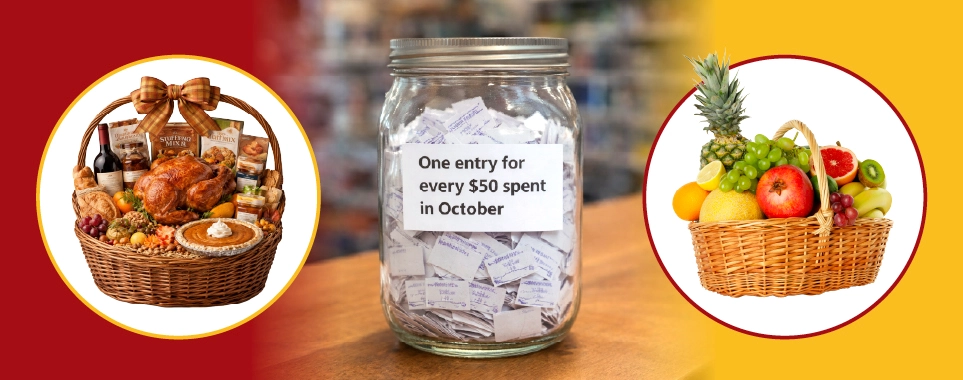
For grocery stores, this is a natural fit. Imagine a “Holiday Harvest” raffle where shoppers earn one entry for every $50 spent in October. At the end of the month, one lucky winner takes home a premium Thanksgiving basket—turkey, sides, dessert, the works. Other shoppers don’t walk away empty-handed; they walk away motivated to try again next season.
6. Digital Punch Cards
The old standard, digitized. Buy five, get one free. No paper to lose, no stamps to smudge. The POS tracks digital punch cards automatically, and customers check their progress in the app. Familiar mechanics, modern execution.
Best POS-Integrated Loyalty Programs for Small Businesses
Let’s look at the top contenders. These are the systems we see delivering real results for small business owners.
1. Loyal-n-Save
Overview
Loyal-n-Save wasn’t built as an afterthought. It was designed from the ground up to connect POS data with customer engagement. The result is a platform that feels less like a POS loyalty program and more like a relationship operating system.
Key Features
The platform covers every loyalty mechanic we just discussed—points, tiers, cashback, auto triggers, and digital punch cards—all in one place.
The Swag Shop is a unique angle. Customers redeem tokens for exclusive merch and products, not just generic discounts. This creates an emotional connection. A discount is forgettable. A branded hoodie earned through loyalty? That’s a conversation starter.
Team rewards add a referral layer. Customers earn when their friends shop, and their friends earn when their friends shop. It turns loyalty into a network effect—without extra work for you.
POS Integrations Supported
Loyal-n-Save integrates with FTx POS, syncing customer data and transaction history in real time. The system is built for flexibility, whether you’re running one register or twenty.
Best For
Small to mid-sized retailers who want more than a points program. If you care about customer relationships, not just transactions, this is worth a serious look.
Pros
- Tokens never expire (customers love this)
- Swag Shop creates emotional engagement
- Team rewards drive organic growth
- Clean, intuitive interface for staff and customers

2. Square Loyalty
Overview
Square’s loyalty program lives inside the Square ecosystem. If you’re already using Square for payments, adding loyalty is a few clicks.
Key Features
Points-based rewards with simple redemption options. Customers earn points per dollar spent and redeem them for discounts. The setup is straightforward, and the dashboard is clean.
POS Integrations Supported
Native to Square. Works seamlessly if you’re all-in on Square. Limited if you’re not.
Best For
Very small businesses, solo entrepreneurs, or anyone already deep in Square’s ecosystem.
Pros
- Easy setup
- No separate logins
- Familiar interface for Square users

3. Lightspeed Loyalty
Overview
Lightspeed offers loyalty as part of its broader retail ecosystem. It’s designed for businesses that need more than just basic points.
Key Features
Tiered rewards, customer segmentation, and automated campaigns. The system pulls data from your Lightspeed POS to create targeted offers based on actual purchase history.
POS Integrations Supported
Native to Lightspeed. Works best if Lightspeed is your primary POS.
Best For
Growing retailers already using Lightspeed who want to add structured loyalty programs.
Pros
- Deep integration with Lightspeed inventory
- Good segmentation tools
- Automated campaign options

4. Toast Loyalty
Overview
Toast built its reputation in restaurants, but their loyalty platform works for any food-focused retail—cafes, bakeries, specialty food shops.
Key Features
Points programs, gift with purchase, and automated rewards. The system integrates with Toast’s tableside and takeout workflows.
POS Integrations Supported
Native to Toast. Built for food service.
Best For
Restaurants, cafes, bakeries, and food retailers using Toast POS.
Pros
- Seamless with Toast hardware
- Good for high-volume, quick-service environments
- Supports gift card integration

5. Clover Rewards
Overview
Clover’s rewards program is built into the Clover POS ecosystem. It’s straightforward, functional, and gets the job done for basic loyalty needs.
Key Features
Points-based rewards, customer tracking, and basic reporting. Customers can check points on receipts or through the Clover app.
POS Integrations Supported
Native to Clover. Works if you’re already using Clover hardware.
Best For
Small retailers who want simple, no-fuss loyalty without extra complexity.
Pros
- Built into Clover POS
- No extra hardware needed
- Familiar for existing Clover users
Quick Comparison
| Program | Best For | Key Differentiator |
|---|---|---|
| Loyal-n-Save | Relationship-focused retailers | Swag Shop, team rewards, token flexibility, and highly rated personalized support. |
| Square Loyalty | Square-only micro businesses | Ease of setup |
| Lightspeed Loyalty | Growing Lightspeed retailers | Segmentation depth |
| Toast Loyalty | Food service | Table-side integration |
| Clover Rewards | Basic Clover users | Simplicity |
Support That Sets Loyal-n-Save Apart
“Clifton is a very competent and helpful service technician. He has recently helped me to solve two issues, both in the loyalty realm. He has been responsive to my needs!”
“Patrick did a great
job merging two
Loyalty accounts.
Thanks!”
“Jonathan was amazing. He helped me resolve an issue that stemmed back from 8/31/24 with no problem. Very professional and sweet.”
How to Choose the Best Loyalty Program for Your Business
You’ve seen the options. Now how do you actually decide?
1. Identify Business Needs First
Before you look at POS loyalty program software, look at yourself. What do you actually want loyalty to accomplish? More frequent visits? Higher average tickets? New customer acquisition? Different mechanics drive different outcomes. Points of drive frequency. Tiers drive aspirations. Referrals drive new customers. Know your goal before you pick your tool.
2. Check POS Compatibility
This is where most businesses stumble. They fall in love with a loyalty platform, only to discover it doesn’t talk to their POS. Start with compatibility by narrowing down options that work with your current system, then take a closer look at features once you know the integration is solid.
3. Consider Customer Experience
Your customers shouldn’t have to work to be loyal. The signup process should take seconds. Redemption should be automatic. Communication should feel helpful, not spammy. Test the customer journey yourself before committing.
4. Scalability & Automation
Will this system still work when you open a second location? When do you launch ecommerce? When you have 5,000 members instead of 500? Look for automated workflows that scale without requiring more staff time.
5. Omnichannel Support
If you sell online and in-store, your POS with loyalty program needs to bridge both. Customers should earn points whether they buy them on their phone or at your counter. And they should be able to redeem anywhere.
6. Personalization Depth
Generic offers die. Look for systems that let you segment customers and tailor rewards based on actual behavior. The more personal, the more effective.
Benefits of POS-Integrated Loyalty Programs
Why go through all this effort? Because the benefits compound over time in ways that surprise even the owners who’ve been doing this for years.
1. Automated Rewards Tracking
No more manual entry. No more “I think you have one more punch” conversations. The system tracks everything. Your staff focuses on customers, not bookkeeping.
2. Real-Time Data Insights
You’ll know which products drive loyalty. Which customers are at risk of churning. Which rewards actually get used. This isn’t guesswork—it’s visibility.
3. Faster Checkout Experience
Loyalty shouldn’t slow down your line. With integration, customers are identified and rewarded automatically. The transaction flows normally. The loyalty happens in the background.
4. Personalized Marketing
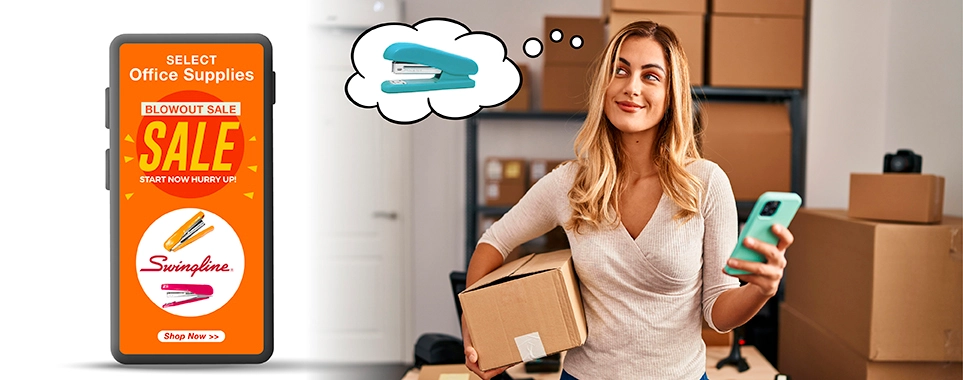
Because you know purchase history, you can send offers that matter. A discount on the exact brand someone buys. A reminder when their usual product is back in stock. This isn’t spam—it’s service.
5. Omnichannel Capability
Online, in-app, in-store—the customer experience is unified. Points earned anywhere are usable everywhere. This is what customers expect now. Integration delivers it.
6. Convenient to Both Retailers and Shoppers
The best programs make life easier for both sides. Shoppers get value without effort. Retailers get data without manual work. Everyone wins.
7. Sync & Unified Data
One source of truth for customer activity. No reconciling spreadsheets. No wondering if the online purchase counted toward in-store rewards. It all just works.
8. Higher Customer Retention
This is the bottom line. Integrated loyalty programs keep customers coming back. Not because they feel locked in—but because they feel known.
Similar Read: Increase Customer Loyalty in the Grocery Industry
Conclusion
Here’s the truth about small business loyalty programs: technology matters less than the intention. But the right technology makes it infinitely easier to act on that intention.
A POS-integrated program removes friction. It automates the mechanics so you can focus on the relationships. It turns every transaction into a data point and every data point into an opportunity to do right by your customers.
The best program for your business is the one you’ll actually use. The one that fits your workflow. The one that makes customers feel seen without making your staff work harder.
Evaluate your options. Test the customer experience. And choose the program that lets you spend less time managing loyalty and more time building it.
FAQs
Because it removes friction. When loyalty lives inside your POS, every transaction automatically builds the relationship. No extra steps. No forgotten punch cards. Just consistent, effortless recognition that keeps customers coming back.
Through APIs or native connections. When a customer makes a purchase, the POS sends transaction data to the loyalty platform. Points accrue. History updates. Rewards trigger. All in real time, without manual entry.
Use the data your loyalty program collects—purchase frequency, favorite products, spend tiers—to segment customers. Then send targeted offers based on behavior. A customer who buys dog food every month gets a coupon for pet treats. A customer who hasn't visited in 60 days gets a 'we miss you' offer. The data makes personalization possible.
Small businesses win through relationships, not scale. Loyalty programs formalize those relationships. They turn casual shoppers into regulars, and regulars into advocates. For a small business, that's the difference between surviving and thriving.
Absolutely. Salons, repair shops, gyms, consultants—any business with repeat customers can benefit. Points per visit. Discounts on future services. Referral rewards for bringing new clients. The mechanics adapt to the business model.
Posted on Mar 11, 2026

Danielle is a content writer at Loyal-n-Save. She specializes in writing about implementing loyalty solutions proven to help a company grow.
Content Writer