

Future Trends or Technologies Shaping the Future of Loyalty Apps
Remember the thick stack of punch cards that used to live in your car’s glove compartment? For a free sandwich or a car wash, you tolerated the clutter. That transaction was the entire relationship. You were loyal to the reward, not the brand.
The migration to mobile apps promised more. It gave us digital points and remote redemptions. But for many, it just digitized the same old transaction, failing to harness the real potential of modern loyalty program trends. The app became another icon on a crowded screen, forgotten until a push notification begged for attention.
This passive coexistence is ending. A loyalty app should not be treated as a digital coupon book; instead, it must evolve by integrating the top mobile app features for loyalty. It is becoming the primary nervous system of customer relationships, driven by the most impactful loyalty program trends and powered by the top mobile app features for loyalty.
The mission is critical because in a landscape of infinite choice, the deepest customer relationships are the only sustainable competitive advantage. Technology has become the architect of genuine engagement, building retention not through obligation, but through undeniable value and recognition.
According to McKinsey & Company, 64% of loyalty program members are more likely to shop more frequently.
The Current State of Loyalty Apps
Today’s standard loyalty app operates on a familiar framework. Points accumulate for purchases. Tiers unlock status. Rewards are redeemed. Push notifications broadcast sales. This model checks the box for having a program.
But look closer, and the cracks are evident.
Engagement metrics often tell a story of polite indifference. Customers suffer from reward fatigue, disillusioned by points that feel like a distant currency. The offers pushed to them are generic, showing a profound lack of personalization. The relationship feels one-sided, a ledger of transactions—a constraint that modern platforms like Loyal-n-Save are specifically engineered to eliminate through data-driven, one-to-one engagement.
Meanwhile, consumer expectations have undergone a silent revolution. They expect instant value, not a distant promise. They demand personalization that proves a brand sees them as an individual, not a data point. They insist on omnichannel access, where their status and history are recognized seamlessly, whether they are online, in store, or on social media.
The traditional model, built for the mass market, is struggling to connect in an era that celebrates the individual.
Key Trends Reshaping the Loyalty Apps Market in 2026

The passive loyalty model is obsolete. To architect the indispensable experiences of 2026, retailers must adapt these five foundation shifts.
1. Artificial Intelligence and Machine Learning
The integration of AI and ML is moving loyalty from a reactive system to a predictive partner.
- Hyper Personalization at Scale
It is the cornerstone. This is not about using a first name in an email. It is about an app that knows a customer buys coffee beans every three weeks and, on the eighteenth day, surfaces a reward for their favorite roast. It understands that after they purchase running shoes, their true reward might be early access to a local 5K registration, not a discount on socks.
Similar Read: Personalized Loyalty Program Marketing
- Intelligent Engagement Automation
Instead of blasting all users with a “Summer Sale” alert, the AI engine orchestrates a symphony of tailored interactions. It might send a quiet, valuable reward to a customer whose engagement is waning, while offering a challenge based on past purchases to a highly active member. Every communication is timed and tuned for relevance.
- Continuous Learning System
The app does not just execute rules; it evolves with every interaction. It learns which reward types drive longer-term value versus a one-time purchase. It identifies subtle behavioral shifts that signal a customer might be disengaging, allowing for preemptive action. The program gets smarter and more intrinsically valuable the longer a customer stays.
2. Blockchain and Decentralized Loyalty Ecosystems
Blockchain technology introduces a paradigm shift from brand-controlled points to customer-owned assets.
- Tokenized Loyalty Points
Imagine your coffee points as a token you could choose to redeem, trade in a brand partner’s marketplace, or even donate directly to a sustainability cause. This fluidity increases perceived value dramatically.
- Transparency and Trust
Every point issuance, transfer, and redemption is recorded on an immutable ledger. Customers can audit their own loyalty history, eliminate disputes, and build a new layer of trust in the brand’s systems.
- Customer Ownership of Rewards
Points become portable digital property in the customer’s wallet, not a balance locked in a single brand’s database. This empowers the customer and encourages brands to compete on the quality and creativity of their loyalty ecosystem, not just on point hoarding.
3. Gamification and Immersive Experiences
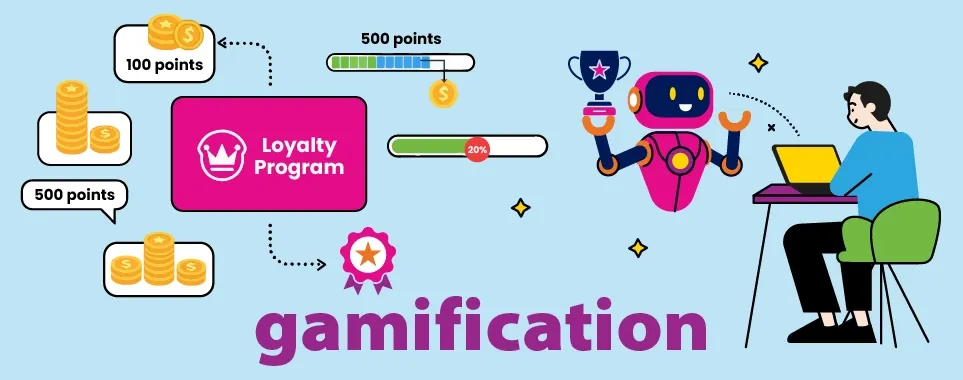
Loyalty is moving beyond transactional psychology into emotional engagement.
- Advanced Gamification Mechanics
These techniques are evolving past simple check-ins. Think of personalized missions that align with customer interests. A sporting goods app might create a “Trailblazer” challenge, rewarding users for logging hikes, purchasing sustainable gear, and attending community events. These mechanics tap into intrinsic motivations like achievement and community.
- Augmented Reality and Virtual Experiences
These are creating new brand interaction layers. A furniture retailer’s app could allow loyalty members to use AR to place new products in their home for “style points.” A cosmetics brand could host an exclusive virtual masterclass for top-tier members. These experiences create memorable, shareable moments that a simple discount cannot match.
- Emotional Loyalty Building
By creating fun, engaging, and unique experiences, brands build positive emotional associations. This forges a connection that is far more resilient than a bond based solely on a ten percent discount.
4. Omnichannel and Super App Integration
The future loyalty experience is frictionless and embedded.
- Unified Customer Journeys
A customer should add an item to a wishlist on their laptop, get a relevant reward notification on their phone while near the store, and have their points automatically applied at the self-checkout. The app ensures that the experience is continuous, not a series of disconnected events.
- Integration with Payment Systems
It is making redemption instantaneous. The ultimate convenience is points that convert to currency at the moment of payment, directly within a digital wallet or at a payment terminal, removing the final step of manual redemption.
- Super Apps and Ecosystem-Based Loyalty
This presents a new model. Loyalty will increasingly live within larger platforms where users shop, message, bank, and travel. A customer might earn loyalty value for paying a utility bill or booking a ride within a super app, which can then be spent across a vast merchant network. Loyalty becomes a function of life, not a standalone destination.
5. Data Privacy, Security, and Ethical Loyalty Design
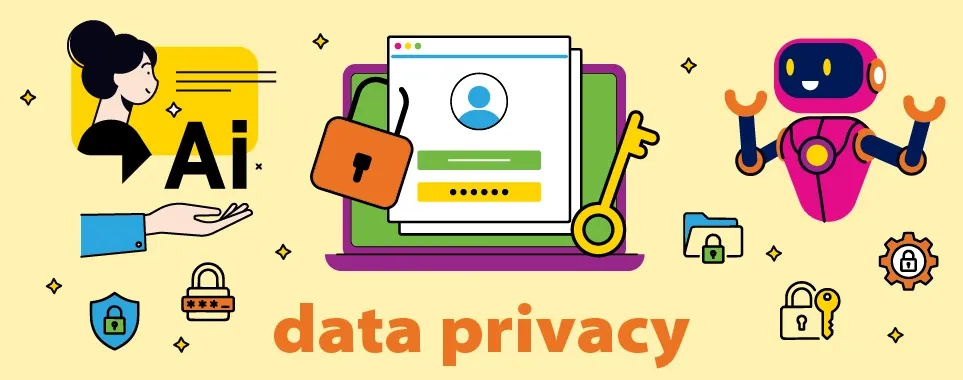
As programs become more intelligent, ethical design becomes non-negotiable.
- Privacy First Loyalty Models
This will gain prominence. This means designing programs that collect minimal data by default and are transparent about every piece of information used.
- Zero-Party and First-Party Data Strategies
The most valuable data will be what customers willingly and proactively share—their preferences, values, and desired rewards. Programs will incentivize this sharing through clear value exchanges, moving away from reliance on inferred third-party data.
- Ethical Use of AI and Data
Algorithms must be audited for bias, and personalization must never cross into manipulation. The goal is to use data to serve the customer’s interest, not just the brand’s bottom line. Trust, once broken in this realm, is nearly impossible to restore.
Similar Read: Complete Your Loyalty Program with Deep Data Analytics
6. Sustainability and Purpose-Driven Loyalty
Loyalty is expanding to reflect shared values.
- Green Rewards and Impact-Based Programs
Are resonating deeply. Customers can choose to redeem points for carbon offset contributions, donations to environmental causes, or access to sustainable products. The reward becomes a statement of value.
- Values-Based Brand Loyalty
When a loyalty program aligns with a customer’s personal ethics—supporting fair trade, reducing plastic, or championing local communities—it transcends commerce. It creates an affiliation rooted in shared purposes, which is far more powerful than a price-based alliance.
Conclusion: What the Future Holds
The trends shaping loyalty in 2026 point toward a fundamental reset. Loyalty will be less about a program and more about a dynamic, value-rich relationship. Success will hinge on agility—the ability to test, learn, and adapt quickly—and an unwavering commitment to customer-centric design.
The final takeaway is clear. Loyalty is no longer a marketing cost center or a simple points ledger. It is a core relationship strategy. The brands that will thrive are those that use technology not to track customers, but to understand and empower them, building apps that customers are not just loyal to, but are genuinely enthusiastic about.
FAQs
They will look less like static point systems and more like intelligent, integrated relationship platforms. Expect heavy use of AI for personalization, blockchain for asset ownership, and seamless omnichannel experiences that blend digital and physical worlds effortlessly.
AI transforms them from reactive to predictive. It enables true one-to-one personalization at scale, automates intelligent and timely engagement, and allows the program to continuously learn and improve from every customer interaction, making it more valuable over time.
Zero-party data is information a customer intentionally and proactively shares with a brand, like preference center selections, personal values, or desired reward types. It is crucial because it is the most accurate, consented data, allowing for ethical and deeply resonant personalization that builds trust.
Advanced gamification increases loyalty by engaging customers on an emotional level. It taps into motivations like achievement, status, and community through challenges and+ experiences, creating positive, memorable interactions with the brand that go beyond a transactional relationship.
Modern consumers, especially younger generations, increasingly align their purchasing with their values. Integrating sustainability into loyalty allows brands to connect on this deeper level, transforming the program from a commercial tool into a platform for shared purpose and impact.
Immediately. These shifts are not speculative; they are already in motion with early adopters. Building the technological foundation, data strategy, and organizational mindset for this future is a multi-year journey. Starting now is essential to avoid playing catch-up in a landscape where customer expectations are accelerating rapidly.
Posted on Mar 3, 2026

Danielle is a content writer at Loyal-n-Save. She specializes in writing about implementing loyalty solutions proven to help a company grow.
Content Writer