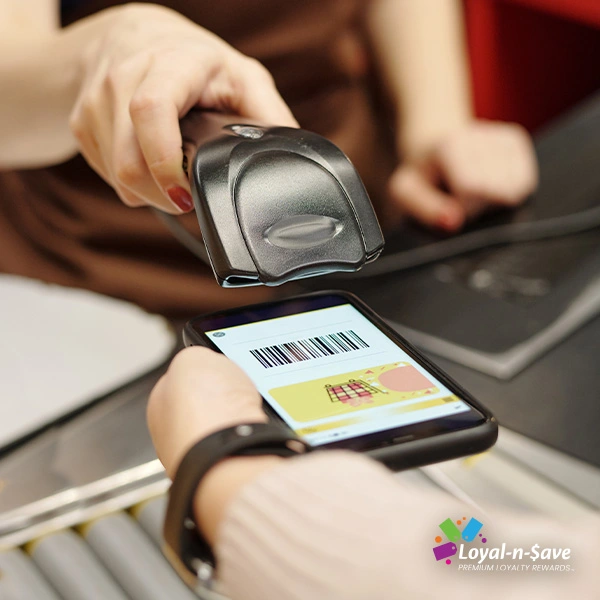


How Loyalty and Scan Data Errors Are Draining Your Tobacco Retail Profits
You show up every day. You check IDs. You ring up sales. You assume the numbers add up.
But here’s what keeps tobacco retailers up at night: what if those numbers don’t add up the way manufacturers expect?
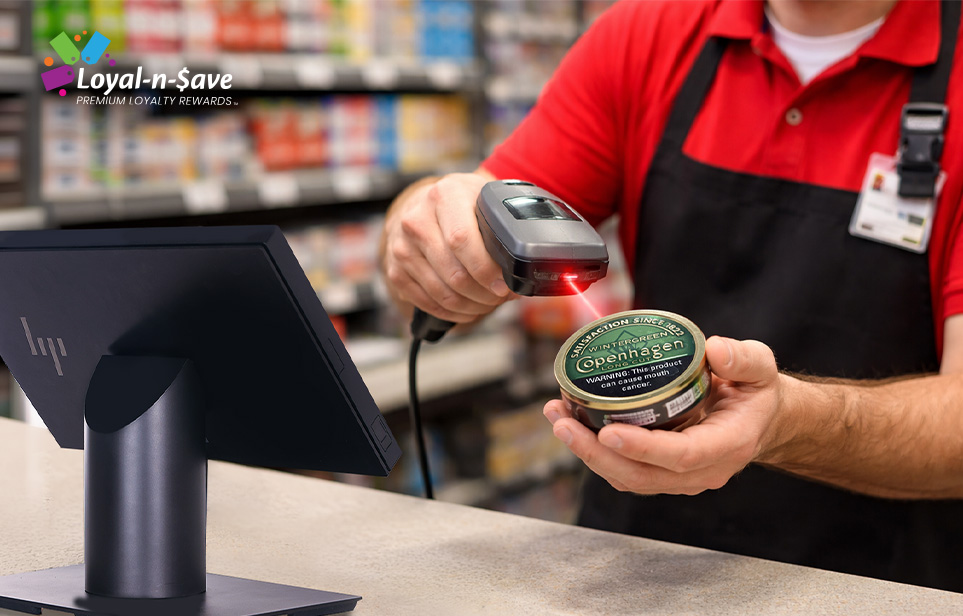
Every time a pack of Marlboro or Copenhagen scans at your register, you’re generating tobacco scan data. That data tells manufacturers like Altria and Reynolds exactly what sold, at what price, and which loyalty offer—if any—was applied. They use this information to determine your incentive payments, validate promotions, and decide whether you qualify for programs like Personalization Plus (P+) or Tier 4 funding.
The problem? Small errors creep in. A loyalty discount that doesn’t code properly. A stock keeping unit (SKU) scanned wrong. An age verification step skipped. Each mistake seems minor in isolation.
But together, these tobacco scan data errors quietly drain thousands from your bottom line every year.
The thesis is simple: even minor mistakes in loyalty and scanning cost you real money. This article breaks down where those errors hide and how to stop them.
Understanding Tobacco Scan Data Programs

Before you can fix what’s leaking money, you need to understand what’s supposed to happen. Tobacco scan data programs are how manufacturers track what sells in stores like yours. Every scan. Every pack. Every promotion.
Here’s how it works:
What Is Scan Data?
Scan data is exactly what it sounds like: information captured every time a barcode scans at your register.
Definition of scan data in retail POS systems
Your point of sale (POS) logs the product, price, quantity, and timestamp for every tobacco transaction. That raw data becomes scan data that tobacco manufacturers pay to access.
How manufacturers track tobacco product sales
Brands like Altria and Reynolds contract with data aggregators or directly with retailers to receive this information. They want to know what’s selling, at what price, and with what promotion attached.
Role of barcode scanning and POS reporting
Accurate tobacco scan data starts at the point of sale. If the wrong SKU is scanned or a loyalty discount is applied incorrectly, the data reported to manufacturers becomes inaccurate. And inaccurate data doesn’t get rewarded.
How Loyalty Programs Interact with Scan Data
This is where loyalty meets compliance—and where errors get expensive.
Loyalty programs collect customer purchase behavior
When a customer uses their loyalty account for a tobacco purchase, that transaction gets linked to their profile. The system knows not just what was sold but also who bought it.
Integration between loyalty systems and POS
LNS integrates directly with your POS. Every loyalty-linked tobacco sale generates clean, structured scan data that includes customer ID, product details, and applicable discounts—all in one record.
Why tobacco brands rely on accurate loyalty-linked purchase data
Manufacturers use this data to validate promotional performance. Did the discount drive volume? Did it reach the right customers? Did the pricing stay within agreed ranges? Wrong answers mean denied reimbursements.
For a deeper look at how scan data drives actual sales in convenience stores, read our guide on how convenience store scan data boosts tobacco sales.
Why Tobacco Brands Require Scan Data
Manufacturers aren’t collecting data for fun. They’re using it to protect their investments in your store.
Ensuring compliance with pricing agreements
Most tobacco brands have minimum advertised price (MAP) agreements. Scan data confirms you’re not discounting below approved levels—or if you are, they know.
Monitoring promotional performance
When a manufacturer funds a buy-two-get-one deal, they want proof it moved product. Tobacco scan data programs provide that proof—or flag it when it doesn’t.
Verifying retailer participation in programs
Programs like Altria’s Personalization Plus (P+) or Reynolds’ incentive tiers require consistent, accurate data submission. Errors or gaps can knock you out of qualification entirely.
Why Scan Data Accuracy Matters for Tobacco Retailers
Small errors in tobacco scan data add up to big money lost. Here’s why every scan counts.
Financial Incentives Depend on Data
- Altria’s P+ program requires clean tobacco scan data for tier funding
- Reynolds rebates tie directly to verified sales through tobacco scan data programs
- Promo reimbursements only process when scan data matches offer terms
Compliance Requirements
- Age verification records must tie to specific tobacco scan data transactions
- Pricing agreements with manufacturers require documented proof through accurate scans
- Tobacco scan data loyalty program participation needs consistent submission volume
Impact of Data Errors
When transaction data isn’t captured correctly, the impact goes beyond the register. Errors can lead to lost incentive revenue, inaccurate reporting, and compliance risks.
Here’s a breakdown of common issues and their potential costs:
| Error | What It Costs |
|---|---|
| Miscoded loyalty | Lost incentive payments from tobacco scan data programs |
| Wrong SKU | Misattributed sales, wrong volume credit in tobacco scan data reports |
| Missing AVT | No compliance proof tied to tobacco scan data, fine risk |
| Pricing mismatch | Transaction excluded from tobacco scan data loyalty program qualifications |
| Late submission | Entire month disqualified from manufacturer incentives |
Common Scan Data Errors That Cost Retailers Money
Tobacco scan data programs only pay out when the data is clean. Errors—even small ones—mean lost incentives, denied reimbursements, and compliance headaches. Here are the most common mistakes that quietly drain your profits.
1. Incorrect Product SKU/UPC Scanning
The wrong barcode rings up the wrong product. A pack of Marlboro scans as a different variant. A can of Copenhagen scans as the wrong size.
The result? Your tobacco scan data misattributes sales, and volume-based incentives get calculated incorrectly.
Since UPC (universal product code) barcodes uniquely identify each product at the point of sale, even a small scanning error can lead to inaccurate reporting and lost revenue.
- What it costs: Lost volume credit. Tier qualification risk. Incentives paid to the wrong product category.
2. POS System Mapping Errors
Your POS thinks Product A is Product B. This happens when new items get added without proper setup or when price books don’t sync correctly. Manufacturers see sales that don’t match their inventory, and your tobacco scan data gets flagged as unreliable.
- What it costs: Rejected data submissions. Delayed payments. Exclusion from tobacco scan data programs.

3. Loyalty Redemption Errors
A loyalty discount applies at the register but doesn’t transmit properly in the data file. The manufacturer sees no promotion attached to the sale. To them, it never happened.
- What it costs: Full reimbursement denied. The sale looks like a standard transaction, so you don’t get paid for running the promotion.
4. Inventory and Scan Mismatches
What’s in your system doesn’t match what’s on your shelves. When physical counts don’t align with scanned sales, manufacturers question your data integrity. Persistent mismatches can get your store flagged for audit.
- What it costs: Compliance risk. Loss of trust with manufacturers. Potential exclusion from future programs.
5. Timing and Data Transmission Failures
Tobacco scan data submissions have strict deadlines. Miss the window, and your entire month’s data may not count. Technical glitches, sync errors, or simply forgetting to submit can wipe out weeks of incentive eligibility.
- What it costs: Entire month’s incentives disqualified. Thousands in lost payments.
6. No AVT Activated
Age verification technology (AVT) isn’t optional for higher-tier programs. If your POS doesn’t scan IDs and log the verification, you don’t qualify for Tier 2 benefits—regardless of how much product you sell.
- What it costs: Ineligible for Tier 2 incentives. Locked out of multi-pack promotions and loyalty fund programs.
7. No Participation in ATOC Loyalty Program
Altria Tobacco Operating Company (ATOC) loyalty programs require active participation. If you’re not running at least one ATOC loyalty program, you can’t move past Tier 1. You’re leaving manufacturer-funded promotions on the table.
- What it costs: No access to loyalty-based incentives. Competitors with programs get better pricing and offers.
8. No EAIV Activated
Electronic age and identity verification (EAIV) isn’t just about compliance—it’s about cash. Retailers who haven’t integrated EAIV with their loyalty platform or mobile app are missing direct incentive payments. EAIV and P+ points can be combined for maximum return.
- What it costs: One-time EAIV enrollment incentive lost. Tier 3 qualification impossible. Stacked earnings unavailable.
9. Not Sending Offers Digitally
Tier 3 requires at least three digital communications per quarter featuring Altria offers—push notifications or emails to verified adult consumers. If you’re not sending them, you’re not Tier 3.
- What it costs: Ineligible for higher-tier incentives. Missed connection with your best tobacco customers.
10. Not Implementing Personalization Plus (P+)
P+ delivers personalized offers based on individual purchase history. No P+ means no promotions targeted to what customers buy. It also means no responsible marketing—P+ APIs require targeting ATC21+ consumers only, keeping you compliant while driving volume.
- What it costs: Tier 4 qualification impossible. Competitors with P+ offer better personalization and capture more sales.
11. Missing Partnership with Altria & AGDC
You can’t participate in tobacco scan data programs without an established partnership. If you haven’t completed the enrollment paperwork, obtained your Altria account number, and established SFTP (Secure File Transfer Protocol) credentials, none of the incentives apply to you.
- What it costs: Zero incentive access. Every scanned pack generates data for manufacturers, but none of it pays you back.
One wrong SKU just cost you an incentive payment
It happens more often than you’d think. A pack scans as the wrong item. A loyalty code doesn’t get applied. The transaction still goes through—but the data behind it isn’t quite right. Before you submit next month’s data, take a look at where things might be slipping through the cracks.
Real Financial Impact of Scan Data Errors
Tobacco scan data isn’t just a reporting requirement—it’s a revenue stream. When errors creep in, that stream slows to a trickle. Here’s what inaccuracies cost your bottom line.
1. Lost Manufacturer Incentives
Manufacturers don’t pay based on trust. They pay based on clean data.
- Altria’s Tier program requires clean scan data for funding
- RJR rebates need precise SKU-level reporting
- A 1% error rate = real dollars denied
2. Chargebacks and Compliance Penalties
Data errors don’t just cost you potential income—they trigger actual out-of-pocket losses.
- Price scan errors triggered thousands in fines across North Carolina stores
- Missing AVT records can trigger Food and Drug Administration (FDA) warning letters
Errors risk losing incentive dollars. But when your data is clean, it helps ensure you receive the full value you qualify for. Learn more in our companion article on how scan data supports tobacco sales. But when your data is clean, the opposite happens.
3. Operational Costs
Bad data creates work. Work costs money.
- Staff time fixing rejected submissions
- Manual reconciliation hours
- Reinspection fees for stores with persistent errors
4. Loss of Marketing Fund
The Digital Accelerator Funds (DFA) program provides manufacturer-funded marketing dollars to retailers who qualify. But qualification requires accurate data.
- DFA program requires clean tobacco scan data for eligibility
- No Personalization Plus (P+) without accurate data
- Competitors with clean data get manufacturer dollars to target your customers
Those small errors add up to thousands
A denied reimbursement here. A missed tier qualification there. It’s not one big mistake—it’s dozens of little ones. See exactly where your tobacco profits are slipping through the cracks.
Best Practices to Prevent Loyalty + Scan Data Errors
Accurate tobacco scan data doesn’t happen by accident. It takes consistent attention to systems, staff, and program rules. Here’s how to protect your incentive dollars.
1. Implement Regular POS Audits
Schedule monthly checks of your scan data file before submission. Catch errors early—wrong SKUs, missing loyalty codes, and pricing mismatches. A few minutes of auditing saves thousands in denied reimbursements.
2. Train Staff on Proper Scanning
Most errors start at the register. Train cashiers to scan every barcode correctly, apply loyalty prompts, and complete age verification steps. Human error is the biggest risk—training is the cure.
3. Keep Product Databases Updated
New products arrive. Prices change. SKUs get reassigned. If your database doesn’t match reality, your tobacco scan data won’t either. Update price books immediately when anything changes.
4. Monitor Loyalty Integration
Loyalty systems must talk to your POS without gaps. Check that loyalty discounts transmit properly in your scan data files. A miscoded offer looks to manufacturers like no offer at all.
5. Work With Data Validation Tools
Use software that validates scan data before submission. Automated checks flag missing fields, incorrect formats, and pricing outliers—catching errors while they’re still fixable.
6. Refer to changes made to DTP regularly
Altria’s Digital Trade Program (DTP) requirements change. Tier qualifications shift. New incentives appear. Review program updates quarterly so you don’t miss eligibility deadlines.
You know what to fix. Let us help you!
Staff training. Database updates. Loyalty integration. You’ve got the checklist. Now you need the tools that make it all automatic. See how LNS keeps your scan data clean without adding work.
Technology Solutions That Help Retailers Fix Data Issues
The right tools automate accuracy and protect your tobacco scan data incentives. Here’s what to look for.
POS Systems Designed for Tobacco Compliance
A tobacco-specific POS automatically prompts age verification, tracks SKUs accurately, and structures tobacco scan data for manufacturer submission. No manual work. No forgotten steps.

Retail Analytics Platforms
Analytics tools monitor your tobacco scan data quality before submission. They flag pricing mismatches, missing fields, and transmission errors while fixes are still easy.
Loyalty Management Tools
Loyalty systems must integrate cleanly with your POS so every offer transmits properly in your scan data. The right tobacco scan data loyalty program tools ensure promotions get counted—not lost in translation.
Wrapping Up
Errors in tobacco scan data quietly drain profits. Lost incentives. Compliance penalties. Missed marketing funds.
Accurate tobacco scan data protects your bottom line and keeps you qualified for manufacturer programs.
Audit your loyalty and tobacco scan data programs today. Small fixes save thousands.

FAQs
Tobacco scan data is the information captured at your register every time a tobacco product is scanned—product type, SKU, price, discounts applied, and timestamp. Manufacturers use this data to track sales, validate promotions, and calculate your incentive payments.
Accuracy determines whether you get paid. Clean tobacco scan data keeps you qualified for Altria's Tier program, RJR rebates, and loyalty incentives. Errors mean denied reimbursements and missed tier qualifications.
- Miscoded loyalty discounts
- Wrong SKU scans
- Missing age verification (AVT/EAIV) records
- Pricing mismatches
- Late or incomplete submissions
Yes—errors in scan data can lead to missed or reduced incentive payments. If a loyalty discount isn’t transmitted correctly, it may not be recognized in manufacturer reporting as a qualifying promotion.
Similarly, if multi-pack or program-eligible offers aren’t set up or captured properly at the POS, those transactions may not meet the requirements needed for reimbursement.
Integration ensures loyalty data flows cleanly from your POS to manufacturer files. When your tobacco scan data loyalty program tools talk directly to your register, offers transmit correctly, age verification logs automatically, and every eligible transaction counts.
FTx POS customers see over 85% of tobacco transactions come from loyalty members.
Retailers can catch scan data issues by keeping a regular eye on their reports and looking for anything that seems off.
A few practical ways to do this include:
- Reviewing scan data files before submitting them
- Checking error logs in manufacturer portals
- Monitoring loyalty redemption rates
- Keeping an eye on submission timing and consistency
- Verifying that pricing matches across systems
Posted on Mar 30, 2026

Danielle is a content writer at Loyal-n-Save. She specializes in writing about implementing loyalty solutions proven to help a company grow.
Content Writer