

How Loyalty Programs Can Reduce Customer Acquisition Cost in Retail

Getting a new customer in the door is getting more expensive every day. Rising ad costs, fierce competition, and growing overhead are squeezing retail margins. Chasing every new shopper may feel necessary—but what if the real opportunity isn’t outside your store… it’s already inside?
Too many retailers spend heavily on acquisition, only to watch customers leave after a single purchase. That’s a leaky bucket—and no amount of new spend will fix it. Sustainable growth comes from keeping the customers you already have and giving them reasons to return.
Retail loyalty programs offer a powerful solution: they can significantly reduce customer acquisition costs by improving personalization, boosting engagement, and encouraging referrals.
In this blog post, we’ll break down how loyalty programs lower CAC, the metrics to track, and the strategies and technology that make them work.
Understanding Customer Acquisition Cost (CAC) in Retail

Let’s get straight to the number that keeps every smart retailer up at night: your customer acquisition cost, or CAC.
Simply put, your retail customer acquisition cost is the total amount of money you spend on sales and marketing to land one new, paying customer. It’s the price tag on every new face walking through your door or clicking “buy” on your site for the first time.
To understand it, you have to break it down. Your total CAC isn’t just one ad spend; it’s the sum of all your efforts.
| Cost Component | What It Includes |
|---|---|
| Advertising | Paid social media ads, Google Search campaigns, billboards, and local radio. |
| Promotions & Discounts | First-time buyer coupons, “welcome offer” discounts, and loss-leader sales. |
| Onboarding & Setup | Cost of staff time to set up a new account, process initial orders, or provide introductory support. |
| Marketing Tech & Overhead | Your share of the CRM, email platform, and marketing team salaries. |
The challenge? Almost every trend is pushing this cost higher. Digital ad space is a bidding war. Customers see endless promotions and become deal-hoppers. New channels emerge, forcing you to spend just to keep up.
You’re not just paying to reach people—you’re paying to interrupt them, convince them, and incentivize them to choose you over a dozen identical options.
This is why so many retailers are actively searching for how to reduce customer acquisition costs in a way that sticks. Slashing your ad budget isn’t a strategy; it just turns off the tap of new business.
The real goal is to find a lever that sustainably lowers that average cost over time. You need a system that makes every new customer worth more, so the cost to get them feels lower because their lifetime value is so much higher.
That sustainable lever is already within your reach.
The Role of Loyalty Programs in Retail
So, if constantly chasing new customers is expensive, what’s the alternative?
It’s building a system that makes your existing customers want to stay and spend more. That’s the core job of a loyalty program in retail.
At its heart, it’s a structured strategy to reward repeat business. It works by identifying your customers, tracking their interactions, and incentivizing their next visit, turning random shoppers into recognizable, loyal fans.
Not all programs are created equal. The right structure depends on your goals, but common types of retail loyalty rewards programs include:
1. Points-Based Systems: The classic “earn and burn.” Customers accumulate points for purchases to redeem for discounts, products, or experiences. Simple to understand and a solid foundation for any program.
Related Read: Tips For Running a Points-Based Loyalty Program
2. Tiered Rewards: This structure gamifies loyalty. Customers unlock new membership levels (e.g., Silver, Gold, Platinum) based on spending, with increasingly valuable perks at each tier. This taps into the desire for status… encouraging customers to spend more. For a deeper dive into structuring these tiers for maximum impact, see our guide on Customer Lifecycle Management: A Detailed Understanding.
3. Auto-Trigger Programs: This is where strategy meets automation. Rewards, challenges, or personalized messages are automatically sent based on specific customer actions or milestones (e.g., a birthday coupon, a reward for a 5th visit, or a nudge after 30 days of inactivity).
4. Raffle: This model incentivizes specific actions by entering participants into a draw for a high-value prize. It’s excellent for driving short-term bursts of engagement, collecting new contact information, or promoting a new product.
For example, “Scan your receipt for a chance to win a $500 gift card.” This tactic can be a brilliant way to turn gift cards into loyal customers by using them as acquisition tools that also capture data for future retention efforts.
The magic of these retail store loyalty programs isn’t in the free coffee or the points balance. It’s the fundamental shift they create. By rewarding continued engagement, they directly increase a customer’s lifetime value (CLV).
This is why opting for POS software with a loyalty program built in is a strategic move. It closes the loop between transaction data and personalized marketing, allowing you to seamlessly execute everything from points to auto-triggers.
How Loyalty Programs Help Reduce Customer Acquisition Costs
You know your customer acquisition cost is too high. A strategic loyalty program in retail is your most powerful lever to pull it down. It works by fundamentally increasing the value of every customer you already have, making that initial “get” more profitable.
Here’s exactly how a well-run program applies direct pressure to lower your CAC:
1. Improving Customer Retention and Repeat Purchases
This is the direct, mathematical win. It’s far cheaper to motivate an existing customer to return than to find a new one.
A loyalty program in retail gives customers a tangible reason to come back—their points of balance, their tier status, and their next reward. This dramatically increases purchase frequency and raises their lifetime value.
As you shift focus from constant acquisition to fostering retention, you’ll see your blended CAC fall.
2. Generating High-Value Customer Data and Insights
Every interaction within a loyalty program is a data point. You learn who buys what, how often, and why.
This moves you from guessing to knowing. This data is the fuel for personalized marketing and smart inventory decisions, ensuring your other spending is hyper-efficient.
To truly harness this power, you need to complete your loyalty program with deep data analytics, transforming raw numbers into a blueprint for growth.
3. Encouraging Customer Referrals and Word-of-Mouth
Your best customers are your best marketers. A loyalty program can formalize this through referral rewards.
A member gets points for bringing a friend, and that friend gets a welcome offer. This turns acquisition into a peer-to-peer process that is inherently more trusted and far less expensive than traditional advertising.
This strategy works perfectly with efforts to turn gift cards into loyal customers, using them as the incentive for both the referrer and the valuable new prospect.
4. Personalization that Lowers Marketing Spend
Blast discounts are expensive and train customers to only shop on sale. Loyalty data allows for surgical precision. You can send a replenishment reminder for a frequently bought item or a special offer on a favorite brand. This relevance dramatically increases engagement rates, meaning you spend less on marketing to generate the same sales.
Related Read: Automating this process is key, and that’s where our blog post “Klaviyo Automation: Boost Loyalty Program Engagement” comes in.
5. Increasing Conversion Rates
A logged-in loyalty member at your online checkout or in your store is a warmed-up lead. You can display their point balance, offer an instant redemption, or show a members-only price.
This creates a powerful sense of value and immediacy, directly reducing cart abandonment and increasing the likelihood of purchase completion. This seamless experience is a hallmark of integrated POS software with a loyalty program.
6. Unlocking Cross-Selling and Up-Selling Opportunities
Loyalty data reveals patterns. The customer who buys premium coffee might be interested in a new grinder.
The program can automatically suggest these related products or offer bonus points for trying a new, higher-margin category. This increases average order value, making each transaction more profitable and improving the ROI on the cost you originally incurred to acquire that customer.
Managing these opportunities at each stage is the essence of effective customer lifecycle management.

Key Metrics to Track When Using Loyalty Programs to Reduce CAC
Putting a loyalty program in retail to work on your customer acquisition cost isn’t a “set it and forget it” task.
It’s a strategic campaign, and you need to measure its performance. Tracking the right numbers tells you if your program is actually moving the needle or just giving away points.
The goal is to connect the dots between program activity and your bottom-line financials. Below are the seven essential metrics that create this picture. To see how they interact, this table maps each metric directly to its impact on your acquisition costs:
Now, let’s break down what each one means for you as a retailer.
1. Customer Acquisition Cost (CAC)
This is your anchor metric. It’s the total cost of your sales and marketing efforts divided by the number of new customers you gained in that period. A successful retail loyalty rewards program won’t make this number zero, but it will apply downward pressure by making every new customer more valuable, improving your return on that spend.
2. Customer Lifetime Value (CLV)
If CAC is the cost, CLV is the payoff. It’s the total revenue you expect from an average customer over time.
The core mission of your retail store loyalty programs is to increase this number. When CLV rises significantly, the initial CAC becomes a smaller, smarter investment.
Driving this number requires insight, which is why it’s critical to complete your loyalty program with deep data analytics to understand and influence what drives long-term value.
3. Redemption Rate
If no one redeems points, your program is just an accounting exercise. A healthy redemption rate proves your rewards are desirable, and your members are engaged. This active engagement is what turns a points balance into emotional investment, directly combating churn and protecting the CAC you’ve already spent.
4. Repeat Purchase Rate
This is retention, measured. It’s the percentage of customers who come back for more. A rising repeat rate means your loyalty mechanics and brand experience are working. Each repeat purchase dilutes the impact of the initial CAC, as you’re making more money from the same acquisition cost.
5. Churn Rate
This is your enemy. It’s the percentage of customers who lapse within a given time. A high churn rate means you’re on a treadmill, constantly spending to replace lost customers. A primary goal of any loyalty program is to reduce churn, thereby protecting your revenue base and your prior acquisition investments.
6. Loyalty Participation Rate
This tells you if your program has traction. What percentage of your transactions are linked to a member? A low rate means your main tool for reducing CAC isn’t being used. A high rate means you have a direct channel to communicate with and retain the majority of your customers.
7. Referral Participation Rate
This metric reveals your most powerful lever for how to reduce customer acquisition costs. It tracks how many new customers come from member referrals. This is peer-to-peer marketing—it’s low-cost, high-trust, and effectively turns your best customers into a sales force. Smart programs actively incentivize this behavior, finding ways to turn gift cards into loyal customers by using them as rewards for both the referrer and the referred friend.
Key Features of Loyalty Programs That Reduce CAC
It’s not enough to just have a loyalty program. To directly tackle your customer acquisition cost, you need specific features engineered to increase customer value and turn your existing base into a growth engine. These aren’t just bells and whistles—they are the strategic levers that make your program a profit center, not a cost center.
Here’s a visual representation of the features that move the needle and exactly how they work to lower your costs.
Now, let’s get into what makes each feature so effective.
1. Referral Incentives and Rewards
This is your most direct weapon against high CAC. By offering a compelling reward to both the referrer and the new customer, you activate a peer-to-peer marketing network.
The acquisition comes with built-in trust and costs you only the reward value, which is often far lower than digital ad spend. This strategy is a perfect way to turn gift cards into loyal customers, using them as the incentive to acquire new ones who are pre-qualified by their friend’s endorsement.
2. Tiered Status Levels That Encourage Engagement
Humans are motivated by status and achievement. Tiered levels give customers a clear goal. They’ll spend more, more often, to reach and maintain a higher tier for better perks.
This systematic increase in purchase frequency is what customer lifecycle management is all about—guiding customers to become more valuable over time, which directly improves your CLV-to-CAC ratio.
3. Personalized, Data-Driven Reward Offers

Blanket discounts are expensive and train customers to wait for a sale. Personalization uses data to send the right offer to the right person at the right time—like a bonus on a favorite brand or a replenishment reminder. This massively increases engagement efficiency.
4. Gamification Elements That Stimulate Sharing
Features like “spin-to-win” wheels, challenge badges, or “share with 3 friends to unlock” taps into our playful nature. It makes engagement fun and encourages organic sharing on social media or via messaging apps. This earned exposure builds brand awareness and attracts potential new customers within a trusted network, effectively lowering your cost to reach them.
5. Community-Building Features
This could be an exclusive member group on social media, early-access events, or a user-generated content hub. By creating a sense of belonging, you build emotional loyalty that transcends transactions. A customer who feels part of a community is much harder for a competitor to steal.
6. Seamless Omnichannel Enrollment and Redemption
If it’s hard to join or use points, people won’t bother. The ability to sign up at the register, check points on a phone, and redeem online all within a single account removes friction.
This maximizes your loyalty participation rate and gathers unified data. This seamless experience is a fundamental advantage of choosing unified POS software with a loyalty program, ensuring every touchpoint works together to strengthen the customer relationship and the data behind it.
Steps for Retailers to Implement a Loyalty Program That Reduces CAC
Launching a loyalty program to reduce customer acquisition costs takes more than a quick setup. Without a clear plan, it’s easy to waste time and resources. A thoughtful, phased approach helps you build a program designed for long-term retention and sustainable growth from day one.
The steps below form a closed-loop process, with each phase building on the last. This ensures your loyalty program continually improves—driving lower acquisition costs, stronger engagement, and higher customer lifetime value.
To see how this data-driven workflow comes together, refer to the flowchart below:
1. Define Goals and CAC Baselines
You can’t manage what you don’t measure. Before any software is chosen, start with the numbers.
Calculate your current customer acquisition cost and set a clear, numerical target for reduction. Is your goal a 20% lower CAC in 12 months? A 15% increase in repeat customer rate?
Defining this sharpens every decision that follows and gives you a clear benchmark for success.
2. Identify the Right Loyalty Model
Your goals dictate your model. If driving referrals is key, a points-based system with strong referral incentives is essential.
If increasing spend from your top customers is the priority, a tiered model is your answer.
This crucial step of matching a model to your strategy is the first act of effective customer lifecycle management, setting the stage for how you will guide customer behavior.
3. Build a Rewards Structure Focused on Retention and Advocacy
The rewards themselves must encourage the behaviors that reduce CAC. Structure rewards not just for spending, but for actions that build loyalty and drive low-cost acquisition.

Offer bonus points for writing reviews, completing a profile, or making a referral. This turns your program into a tool for building advocacy, a concept explored in our guide to turning gift cards into loyal customers by using them strategically within your rewards ecosystem.
4. Integrate Technology (POS, CRM, Marketing Automation)
A loyalty program cannot operate in a vacuum. To reduce CAC, it must be the central hub connecting to your key systems.
- POS Integration: Your loyalty program must be embedded within your POS software with a loyalty program. This ensures every sale automatically tracks points and updates member profiles in real-time, creating a seamless experience.
- CRM Sync: Data must flow between your loyalty platform and customer relationship management (CRM). This enriches customer profiles with purchase history and point balances, enabling a unified view for personalization.
- Marketing Automation: Connect your loyalty data to an automation platform like Klaviyo with LNS. This allows you to trigger personalized emails or SMS based on loyalty behavior—like a win-back offer when points go unused or a reward for reaching a new tier.
Turn Your Customers into Your Best Marketers
Discover the tools that automate referrals and personalized rewards,
transforming your existing base into a growth engine.
5. Leverage Data and Personalization
With technology integrated, activate your data. Use purchase history to personalize offers, not guess.
Send a targeted reward to a lapsed customer or a bonus on a frequently bought item. This is where you move from a generic program to a personalized profit engine.
To execute this effectively, you need to complete your loyalty program with deep data analytics.
6. Measure and Optimize Program Performance
Return to the metrics and goals you set in Step 1. Is your repeat purchase rate up? Is your referral participation rate growing?
Use this data not as a report card, but as a blueprint for optimization. Double down on what’s working and tweak or eliminate what’s not.
This cycle of measurement and optimization is what makes your program a living system that continuously defends against rising acquisition costs, embodying the ongoing strategy outlined in Customer Retention: The Ultimate Growth Strategy.
Technology’s Role in CAC Reduction Through Loyalty Programs
For a modern retail loyalty program to be a genuine tool for lowering your customer acquisition cost, it needs to be more than a digital punch card. It must be powered by integrated technology that automates personalization, uncovers insight, and turns every customer interaction into a strategic opportunity.
These systems work together to create a seamless, intelligent engine for growth. The right tech stack acts as a force multiplier for your loyalty efforts.
Here’s how each component directly contributes to a more efficient marketing spend and a stronger bottom line:
1. AI-Powered Personalization Engines
Generic marketing is costly—and it rarely delivers results. AI-powered engines look at each customer’s purchase history, browsing behavior, and engagement patterns to anticipate what they’re likely to want next.
The result is more relevant, hyper-targeted offers and messages that actually resonate. This drives higher conversion rates, makes better use of every marketing dollar, and moves your strategy from guesswork to predictive, relationship-driven marketing.
2. CRM Integration
Your loyalty program cannot live in isolation.
Deep CRM integration means every purchase, point earned, and reward redeemed updates the customer’s profile in real-time. This creates a single, actionable source of truth.
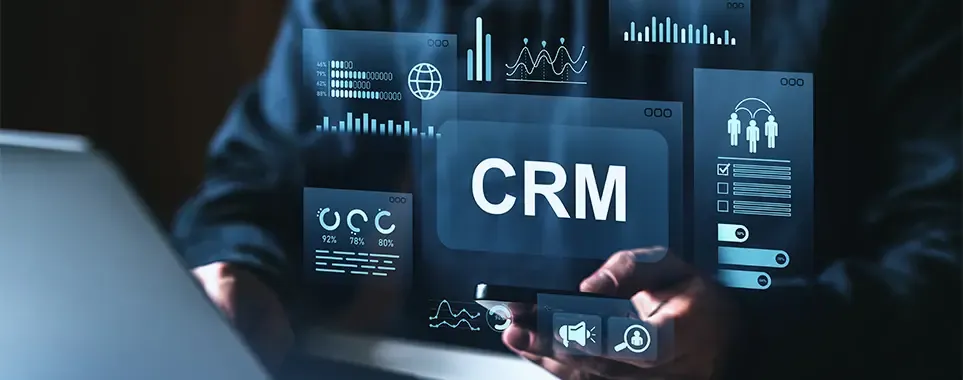
Your sales and service teams gain full context, enabling personalized service that strengthens loyalty and increases lifetime value, making the initial cost to acquire that customer pay off more.
3. Automated Loyalty Rewards Systems
Manual point management and promotion creation are slow and error-prone. Automated systems trigger rewards, welcome emails, birthday offers, and tier upgrades based on predefined rules or customer behavior. This ensures timely, relevant engagement that keeps your brand top-of-mind and fosters habit-based purchasing.
4. Real-Time Analytics to Optimize Marketing Spending
To reduce customer acquisition costs, you need to know what’s working right now.
Real-time analytics dashboards show you which campaigns are driving loyalty sign-ups, repeat purchases, and referrals. This allows you to instantly shift marketing budgets away from underperforming channels and double down on high-impact tactics, ensuring every dollar spent works harder to lower your overall CAC.
5. Mobile-First Loyalty Program Experiences
Today’s customer is on their phone. A mobile-first loyalty program—accessible via a dedicated app or a mobile-optimized web portal—puts the power in their pocket. It enables easy point checking, one-tap redemption, personalized push notifications, and seamless scan-to-pay functionality.
This frictionless access dramatically increases program participation and engagement, which is the foundation for increasing customer lifetime value and reducing the long-term burden of acquisition costs.
Wrapping Up
A strategic loyalty program for retailers is a direct financial tool to reduce customer acquisition cost. It shifts your focus from expensive new customer acquisition to maximizing the value of your existing base.
The long-term advantage comes from deepened retention, personalized engagement, and increased customer lifetime value. This makes every acquisition dollar more profitable.
Ultimately, a well-designed retail loyalty rewards program is a dual-purpose engine: a marketing channel that drives loyalty and a cost-optimization system that protects your margins. It’s not an expense—it’s a strategic asset for sustainable growth.

FAQs
Digital ad space is a competitive auction, and customers are flooded with generic promotions. This means you pay more just to get their attention, often for a one-time sale.
A platform like LNS directly counters this by transforming a single purchase into a recognized relationship. It focuses your spending on keeping and growing the customers you already have, which is far more efficient than constantly chasing new ones.
Loyalty programs are arguably more critical for small retailers. LNS is built for scalability—a local shop can start with a simple points system and grow into automated campaigns.
Features like the LNS Swag Shop for affordable branded rewards or built-in referral tools help small businesses compete on community and personalization, not just price, turning their size into an advantage.
Impacts can be seen in phases, with LNS accelerating the timeline through automation and data.
| Timeframe | Impact Area with LNS | How It Lowers CAC |
|---|---|---|
| First 30-60 Days | Data Collection & Initial Engagement | Baseline customer behavior is captured. Early adopters start earning points, increasing their perceived value. |
| 3-6 Months | Repeat Purchase & Referral Data | Repeat purchase rates rise as members redeem points. Referral participation begins, generating low-cost new leads. |
| 6-12 Months | Optimized Personalization | Using LNS data, personalized offers improve marketing efficiency, directly reducing wasted ad spend and lowering blended CAC. |
Absolutely. LNS is designed for 360-degree engagement.
Push notifications alert members to new rewards or store events. Gamification through tier upgrades or challenges encourages interaction. The mobile app & website keep your brand in their daily digital routine.
This constant, valuable touch builds a habit and an emotional connection that goes far beyond a transaction.
Yes, but a program like LNS transforms raw data into actionable insights. It doesn't just tell you someone bought shampoo; it tracks their purchase frequency, preferred brand, and response to coupons.
This data lives in the LNS Control Center, allowing you to segment customers with precision and create hyper-targeted campaigns. This level of insight is what allows you to complete your loyalty program with deep data analytics and make smarter business decisions.
The biggest mistakes are launching without clear goals, creating overly complex rules, and failing to promote the program. LNS is built to prevent these pitfalls.
The Campaign Builder helps you set clear objectives. Its automation handles complex rules (like auto-trigger campaigns) behind the scenes.
Finally, integrated tools like Klaviyo automation and built-in push notifications ensure you communicate consistently, keeping the program top-of-mind and driving participation from day one.
Posted on Dec 30, 2025

Danielle is a content writer at Loyal-n-Save. She specializes in writing about implementing loyalty solutions proven to help a company grow.
Content Writer